River Otter is a semi-aquatic mammal, found in the United States and Canada. Check out this article that provides some interesting facts and amazing information about river otters.
Facts About River Otter
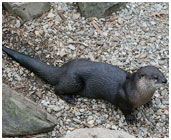
River otters are one among the most intelligent species in the world. A sub-species of otter, river otters are semi- aquatic mammals that have streamlined and serpentine bodies, with a thick and lustrous coat. Found in the United States and Canada, the mammal generally dwells in freshwaters and coastal mariner habitats. River otters are expert swimmers and have long and sensitive needle-like whiskers, which help them to sense preys underwater. A wide head, round eyes, small nostrils, stout legs and a tapering tail, characterizes them physically. The largest of all the river otter species is the North American river otter, whereas the marine river otter is the smallest of all. Polluted waters, man-made developments, soil erosion and hunting them for pelts by humans, have led to the decline of river otters over the years. To get more information about this amazing animal, check out the interesting facts given in the following lines.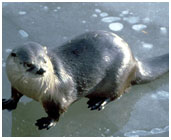
Fast Facts
Kingdom: Animalia
Phylum: Chordata
Class: Mammalia
Order: Carnivora
Family: Mustelidae
Genus: Lontra
Species: Lontra Canadensis, Lontra Feline, Lontra Provocax, Lontra Longicaudis
Length (Male): 3-4 ft
Length (Female): 3 ft
Average Weight: 6-10 kg
Number of Teeth: 36
Diet: Carnivorous (snakes, frogs, bugs, waterfowls, mussels, salamanders, crabs, turtles, muskrats and birds)
Natural Habitat: Wetlands and Aquatic Environments
Age of Maturity (Males): 5-7 years
Age of Maturity (Females): 2 years
Longevity: 8-15 years
Gestation Period: 9-10 months
Number of Offspring: 1-6
Interesting and Amazing Information About River Otters
- River otters can hold their breath for up to 8 minutes.
- River otters spend two-thirds of the time on land and can run at a speed of 29 km/hour.
- While on the water surface, a river otter can swim at a speed of about 6 miles per hour. Furthermore, below the water surface, it can swim at 3 to 4 miles per hour.
- River otters have ears and nose with a special skin that closes and keeps them watertight underwater.
- Male river otters are approximately 17 % larger than females.
- Old male river otters often have white body fur.
- Baby river otters are called pups and they are born toothless and blind.
- River otters have long strong guard hairs, which form the outer coat and protect the finer and denser under-fur of the body.
- Eyes of river otters have special lenses that aid in underwater vision.
- River otters are normally nearsighted above water.
- River otters often use the senses of sound, touch and smell to communicate with each other.
- River otters always clean themselves after having meals.
- A river otter marks its territory with feces and urine. Often, a river otter squirts its fecal matter with a musky-smelling liquid, from the scent glands, and uses it as a territory-marker.
- River otters mainly hunt during the night, and never hoard food. They always kill only as much as they can eat.
- Generally, river otters mate underwater. However, terrestrial mating is also common.
- These carnivores prey on insects, fish, reptiles, amphibians and also young alligators. Diving into ponds, chasing reptiles and digging holes are their usual hunting behavior.
- Often mistaken for beavers, river otters are friendly creatures that have been in existence for almost 30 million years.
- Like some creatures, river otters can also create shelter using the tools available from the environment. These mammals build their dens with sticks, hollow logs, driftwood and branches.
- They live near ponds and have the ability to adapt on land and water as either environment provides their sources of food.
- Ascending and descending on hills and wrestling with their own kind, form part of their usual behavior.
- Of all the marine mammals on Earth, river otters are the smallest.
- Their short legs, webbed toes and streamlined bodies make them powerful swimmers.
How to Cite





See also
More from iloveindia.com
- Home Remedies | Ayurveda | Vastu | Yoga | Feng Shui | Tattoos | Fitness | Garden | Nutrition | Parenting | Bikes | Cars | Baby Care | Indian Weddings | Festivals | Party ideas | Horoscope 2015 | Pets | Finance | Figures of Speech | Hotels in India : Delhi | Hyderabad | Chennai | Mumbai | Kolkata | Bangalore | Ahmedabad | Jaipur
- Contact Us Careers Disclaimer Privacy Policy Advertise With Us Lifestyle Sitemap Copyright iloveindia.com. All Rights Reserved.